Aquarium Pump Industry Trends: Technology and B2B Opportunities
- Share
- publisher
- David Yoon
- Issue Time
- Sep 5,2026
Summary
Explore aquarium pump industry trends, including variable-speed technology, energy efficiency, smart control, OEM manufacturing and global B2B opportunities.
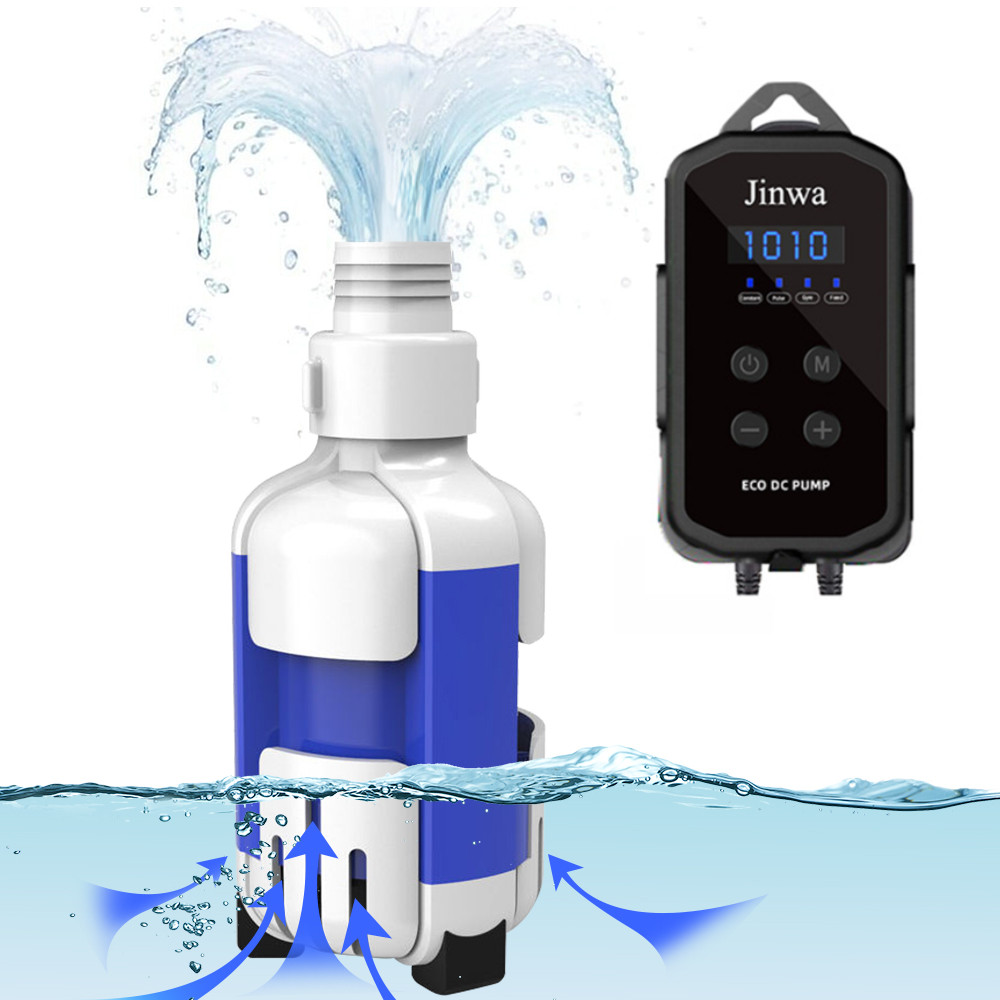
Aquarium pumps are essential components in freshwater aquariums, saltwater reef tanks, commercial aquarium systems, aquaculture facilities, ponds and water features. They support water circulation, filtration, oxygen distribution, temperature consistency and overall system stability.
As the global aquarium equipment industry becomes more specialized, buyers are looking for pumps that provide lower noise, better energy efficiency, adjustable flow, reliable long-term operation and flexible integration with different aquarium systems.
For distributors, aquarium brands and system integrators, choosing the right aquarium pump supplier is no longer only a matter of comparing unit prices. Product technology, manufacturing capability, customization support and after-sales service are becoming increasingly important.
What Is Driving Change in the Aquarium Pump Industry?
The aquarium pump industry is developing alongside changes in aquarium design, consumer expectations, commercial display systems and professional aquatic projects. Buyers increasingly want equipment that is quieter, more efficient, easier to control and better suited to specific applications.
Growing Demand for More Efficient Aquarium Equipment
Many aquarium pumps operate continuously or for long periods every day. As a result, distributors and end users are paying greater attention to motor efficiency, power consumption, variable-speed operation, product service life and maintenance requirements.
For B2B buyers, the purchase price is only one part of the total cost. Energy consumption, replacement parts, warranty claims, product returns and supply continuity can also affect the long-term value of an aquarium water pump.
More Quiet Products for Residential and Commercial Spaces
Low-noise operation has become an important product requirement for home aquariums, offices, bedrooms, hotels, restaurants, aquarium stores and public display systems. A noisy pump can negatively affect the user experience even when its water flow is adequate.
Pump noise may be influenced by the motor, impeller, controller, mounting structure, vibration, water level and installation method. Suppliers should therefore provide practical installation guidance and, where available, test information rather than relying only on general claims such as “silent pump.”
More Specialized Aquarium Applications
The market is expanding beyond standard home fish tanks. Specialized applications include reef aquariums, marine aquariums, large display aquariums, aquaculture systems, aquaponics, hydroponics, koi ponds, garden ponds and waterfall projects.
Key Aquarium Pump Technology Trends
Technology is one of the main factors shaping the future of aquarium pumps. Modern products increasingly combine efficient motors, electronic controllers, adjustable flow and application-specific designs.
Variable-Speed Aquarium Pumps
Variable-speed pumps allow users to adjust water flow according to system requirements. Compared with a pump that operates at only one speed, a variable-speed model can provide more flexible control for different aquarium conditions.
Depending on the model, available operating modes may include:
- Constant flow;
- Pulse mode;
- Gyre mode;
- Feed mode;
- Adjustable return flow;
- Different flow settings for freshwater and reef tanks.
Variable speed control can be useful for reef aquariums, display systems and installations where water movement changes during feeding, maintenance or different operating periods.
Brushless DC Motor Technology
Brushless DC motors are becoming increasingly important in modern aquarium pumps. When properly designed and tested, they can help improve operating stability, reduce mechanical wear and support variable-speed control.
Motor selection should be evaluated together with the controller, impeller, shaft, housing, sealing structure and cooling design. A brushless motor alone does not guarantee a specific service life or noise level, so buyers should request complete product information and test data.
Smart Controllers and Digital Control
The aquarium equipment industry is also exploring more connected control systems. Potential functions include:
- Digital controllers;
- Mobile application control;
- Remote monitoring;
- Automated feeding modes;
- Flow scheduling;
- Sensor integration and system alarms.
The availability of these functions depends on the product model and supplier. Buyers should distinguish between current product capabilities and future industry development when comparing aquarium pump manufacturers.
Low-Voltage DC Pump Systems
Low-voltage DC pumps can be suitable for home aquariums, portable systems, small commercial displays, backup-power systems and low-voltage equipment integration. Buyers should confirm the complete electrical configuration, including the pump, controller, adapter, cable, connector and protection requirements.
Why Energy Efficiency Matters in Aquarium Pump Purchasing
Energy efficiency is becoming a central issue in aquarium pump purchasing because the equipment may run for many hours each day. A small difference in power consumption can become significant over the product's operating life.
Long Operating Hours Increase Energy Costs
When evaluating an energy-efficient aquarium pump, buyers should review more than the nominal wattage. Important information may include:
- Rated power;
- Power consumption at different speed settings;
- Flow output at each setting;
- Motor and controller efficiency;
- Standby consumption;
- Maintenance-related performance changes.
Variable Flow Can Improve System Flexibility
Water-flow requirements may change during feeding, nighttime operation, maintenance and normal circulation. A variable-speed aquarium pump gives users more control over these operating conditions.
Energy savings depend on the selected speed, system design, operating schedule and actual pump performance. Buyers should request test data instead of relying only on general marketing claims.
What Do Global B2B Buyers Expect from Aquarium Pump Suppliers?
The needs of global distributors, aquarium brands and system integrators are becoming more specific. A professional aquarium pump supplier should support not only the initial purchase but also product development, quality approval, repeat orders and after-sales service.
Stable Product Quality
B2B customers need consistent performance across large quantities and repeat production batches. They may evaluate flow rate, power consumption, noise, controller functions, packaging quality and product dimensions before approving a supplier.
Quality consistency is especially important for distributors selling products under their own brand. A clear specification sheet, approved sample, inspection procedure and documented change-control process can help reduce variation between orders.
OEM, ODM and Private Label Capability
Brand owners and distributors may require more than a standard product. Common customization requirements include:
- Logo printing and product marking;
- Customized retail packaging and master cartons;
- Product colors and housing design;
- Cable, connector and plug configuration;
- Controller appearance and interface;
- Voltage and power configuration;
- Custom molds or structural changes;
- User manuals, labels and barcode information.
The availability of each customization option depends on the model, order quantity, tooling requirements and technical evaluation. Suppliers should confirm these details in writing before the buyer approves mass production.
Technical and After-Sales Support
A long-term aquarium pump supplier should be able to provide practical support in areas such as:
- Product selection guidance;
- Installation information;
- Technical documents;
- Troubleshooting support;
- Spare parts and maintenance components;
- Warranty procedures;
- Training for distributors and service teams.
How to Choose an Aquarium Pump Manufacturer
Selecting an aquarium pump manufacturer requires a structured evaluation. Buyers should review product specialization, factory capability, technical documentation, customization support, quality control and long-term service.
Check Product Specialization
A supplier that focuses on water pumps may have deeper experience with motor performance, impeller design, sealing, controllers, noise reduction and pump testing than a general trading company. Buyers should ask about the supplier's main products, engineering team and experience with similar applications.
Review Factory and Production Capability
Important areas to review include:
- Factory area and production lines;
- Controller production and engineering;
- Parts processing and pump assembly;
- Testing equipment and inspection procedures;
- Annual production capacity;
- Production scheduling and delivery capability;
- Export documentation and logistics support.
According to its official website, Shenzhen Jinwa Aquatics Products Co., Ltd. focuses on water pumps and reports more than 17 years of experience, a 20,000-square-meter factory area and annual output of up to 200,000 units. The company also describes independent controller production, parts finishing and pump assembly capabilities.
Request Samples and Technical Data
Before placing a wholesale or OEM order, buyers should consider requesting:
- Product samples;
- Specification sheets;
- Flow curves;
- Power consumption data;
- Product dimensions and installation instructions;
- Packaging details and test reports;
- Warranty and spare-parts information.
Compare Total Cost, Not Only Unit Price
The total cost of an aquarium pump project may include:
- Unit price;
- Tooling and packaging costs;
- Shipping and logistics costs;
- Energy consumption;
- Spare parts and warranty costs;
- Product return costs;
- Inventory and lead-time risk.
Aquarium Pump Applications in Different Market Segments
Different market segments place different demands on aquarium water pumps. Understanding these requirements helps buyers choose suitable products and communicate more accurately with manufacturers.
| Market Segment | Main Purchasing Requirements | Relevant Product Features |
|---|---|---|
| Freshwater aquariums | Stable circulation, filtration and low noise | DC pump and quiet operation |
| Saltwater and reef aquariums | Material compatibility, stable operation and adjustable flow | Saltwater compatibility and variable speed |
| Commercial aquariums | Long operating life, spare parts and technical support | Reliability and service support |
| Aquaculture | Continuous circulation and dependable flow | Stable flow and energy efficiency |
| Koi and garden ponds | High flow, head height and filtration support | Submersible pond pump |
| Water features | Waterfall effect and flow control | Pond and waterfall pump |
| Aquaponics and hydroponics | Continuous circulation and efficient operation | DC pump and stable operation |
Jinwa Aquatics and the Future of Aquarium Pump Manufacturing
Jinwa Aquatics focuses on water pump technology for aquarium, pond and aquatic system applications. Its product portfolio includes DC return pumps, bottom-suction pumps, wavemakers, submersible pond pumps and variable-speed pond pumps.
The company's solutions cover freshwater aquariums, saltwater systems, commercial aquarium projects, aquaculture, aquaponics, koi ponds, garden ponds and water features. This application range allows distributors and project buyers to discuss different water circulation requirements with a specialized supplier.
According to the company's official website, Jinwa Aquatics has more than 17 years of experience, a 20,000-square-meter factory area and an annual output of up to 200,000 units. The company also describes independent controller production, parts finishing and pump assembly capabilities.
For global distributors, aquarium brands and system integrators, Jinwa supports OEM and ODM cooperation. Its partner program also includes technical support, product training, maintenance parts, marketing assistance and after-sales cooperation.
The Future of the Aquarium Pump Industry
The future development of the aquarium pump industry will likely be influenced by efficiency, controllability, connectivity, durability and customization. Manufacturers that can combine product engineering with stable production and responsive service will be better positioned to support international B2B customers.
More Efficient Motor and Controller Systems
Future product development may focus on higher motor efficiency, more precise speed control, lower standby power, better thermal management and longer operating life. Actual improvement should be verified through model-specific performance data and testing.
More Connected Aquarium Equipment
Connected aquarium equipment may include mobile applications, remote control, cloud monitoring, automated flow schedules, water-quality sensor integration and fault alerts. The speed of adoption will depend on product cost, user demand, data security and compatibility with existing systems.
More Flexible OEM and Supply Chain Services
Global brands and distributors increasingly need small-batch product validation, private-label packaging, modular components, regional plug options, faster sampling, consistent repeat production and localized technical documents.
More Sustainable Product Development
Sustainability considerations may encourage the development of energy-efficient pumps, longer service life, replaceable parts, recyclable packaging, reduced material waste and more efficient logistics packaging.
Conclusion: Technology and Partnership Will Shape the Industry
The aquarium pump industry is moving toward quieter, more efficient, more controllable and more application-specific solutions. Variable-speed pumps, brushless DC motors, low-voltage systems, digital controllers and OEM services are becoming increasingly relevant to global aquarium brands and distributors.
For B2B buyers, selecting an aquarium pump supplier should involve more than comparing prices. Factory capability, product consistency, technical support, customization options, spare parts and long-term cooperation should all be considered.
Looking for an Aquarium Pump Manufacturer?
Jinwa Aquatics specializes in aquarium and pond water pump solutions for global partners. If you are looking for an aquarium pump manufacturer for wholesale, OEM or private-label cooperation, send your application, flow rate, head height, voltage, target quantity and branding requirements.
The Jinwa team can recommend suitable models and provide product information or an OEM/ODM quotation.
Publishing note: Confirm current company figures, certifications, product capabilities, MOQ, warranty terms, delivery times and customization services with the Jinwa sales or engineering team before publishing. Only publish certifications and performance claims supported by current documentation.
Sources: Jinwa Aquatics Official Website · VPF Series Product Page · Partner Program