Energy-Efficient Koi Pond Pump Solutions | Jinwa Aquatics
- Share
- publisher
- David Yoon
- Issue Time
- Oct 19,2026
Summary
Discover energy-efficient koi pond pump solutions with variable-speed control, optimized flow, and lower operating costs for koi farms, pond contractors, and distributors.
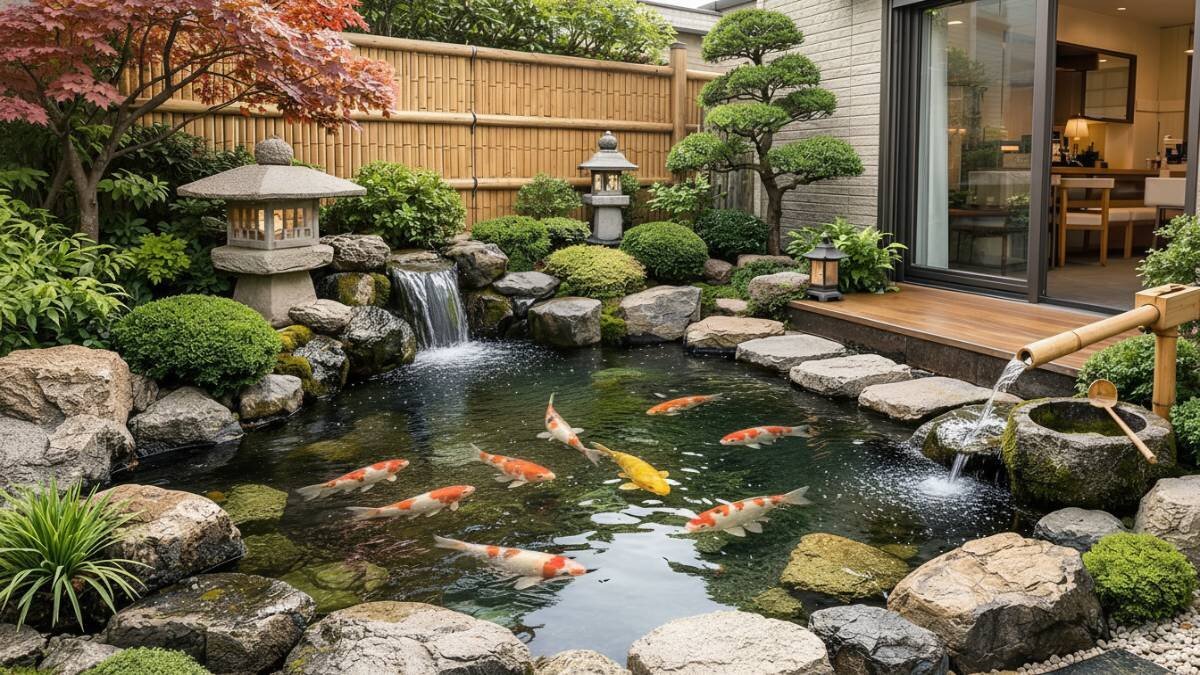
An energy-efficient koi pond pump helps maintain reliable water circulation and filtration while controlling long-term electricity costs. For koi pond owners, pond contractors, commercial koi farms, and pond equipment distributors, the challenge is to find a pump that delivers the required flow, operates reliably for extended periods, and avoids unnecessary energy consumption.
Koi ponds need consistent water movement to support filtration, distribute dissolved oxygen, and help remove suspended waste. However, operating an oversized pump at maximum speed when the system requires less flow can increase electricity costs without delivering proportional benefits.
The practical solution: Select a correctly sized pump, calculate the actual system head, and use variable-speed control where appropriate. The goal is to maintain the required water quality and circulation while minimizing unnecessary power consumption.
For pond equipment wholesalers and OEM buyers, energy-efficient pond pumps can also help differentiate a product portfolio and meet customer demand for economical, reliable pond equipment.
1. How Does an Energy-Efficient Koi Pond Pump Reduce Electricity Costs?
1.1 Match Pump Speed to Actual Water Flow Requirements
Traditional single-speed pumps generally operate at a fixed speed whenever they are switched on. If the filtration system requires less flow than the pump delivers, users may try to restrict the flow with valves or other adjustments.
A variable-speed pond pump allows users to adjust motor speed and water output to suit actual operating requirements.
Maintain Necessary Flow
Use a suitable lower speed when the filtration system can maintain effective performance at reduced flow.
Increase Flow When Needed
Increase pump output when additional circulation, filtration capacity, or water-feature flow is required.
Adapt to Pond Conditions
Review pump settings as water temperature, fish stocking density, and filtration requirements change.
Avoid Unnecessary Resistance
Keep intakes, filters, and pipes clean to reduce avoidable hydraulic losses.
The objective is not simply to run the pump more slowly. It is to provide the necessary water flow while reducing unnecessary energy consumption.
1.2 Understand the Relationship Between Pump Speed and Energy Consumption
For centrifugal pumps operating under suitable conditions, pump affinity laws describe the approximate relationship between rotational speed, flow, head, and shaft power.
Flow: Q ∝ N
Head: H ∝ N²
Shaft Power: P ∝ N³
Q = flow rate; H = pump head; P = shaft power; N = rotational speed. These relationships are theoretical approximations for appropriate operating conditions, not guaranteed energy-saving percentages for every pond pump installation.
Reducing rotational speed can substantially reduce power demand in suitable applications. Actual savings depend on pump design, system resistance, motor and controller efficiency, and the minimum flow required by the filtration system.
The U.S. Environmental Protection Agency's ENERGY STAR program discusses the energy-saving potential of variable-speed pool pumps. Its examples illustrate the benefits of speed adjustment in applicable swimming pool systems, but the results should not be treated as guaranteed savings for koi pond pumps.
Reference: ENERGY STAR — Pool Pumps
1.3 Calculate the Potential Electricity Savings
Consider a hypothetical koi pond pump operating continuously throughout the year. Assume the existing pump draws 200 W, while a variable-speed replacement draws an average of 100 W and still meets all required system conditions.
| Item | Existing Pump | Variable-Speed Solution |
|---|---|---|
| Average power consumption | 200 W | 100 W |
| Daily operating time | 24 hours | 24 hours |
| Daily electricity use | 4.8 kWh | 2.4 kWh |
| Annual electricity use | 1,752 kWh | 876 kWh |
| Annual electricity savings | — | 876 kWh |
Annual electricity savings
(0.2 − 0.1) × 24 × 365 = 876 kWh
At an electricity tariff of $0.20/kWh, the illustrative annual cost saving would be $175.20.
Important: This is a hypothetical calculation, not a product performance claim. The power figures must be verified through actual measurements, and both pumps must meet the required flow and head. For commercial projects, compare measured watts at the same relevant hydraulic operating point.
2. Typical Applications: Which Koi Pond Pump Solution Fits Your Needs?
The best energy-efficient koi pond pump depends on pond size, fish population, filtration design, plumbing resistance, and daily operating requirements. The following scenarios illustrate the needs of residential customers and B2B buyers.
Scenario 1: Residential Koi Ponds With Continuous Filtration
Homeowners typically need reliable circulation without excessive electricity costs or distracting operating noise.
A suitable solution may include:
- A variable-speed pump matched to the required flow and total dynamic head.
- Adjustable operating settings for normal filtration and higher-demand periods.
- A correctly sized pre-filter and biological filtration system.
- Routine inspection of the pump intake, impeller, and plumbing.
For residential users, the priority is a balance of water quality, quiet operation, energy efficiency, and ease of maintenance.
Scenario 2: Commercial Koi Farms and High-Stock-Density Ponds
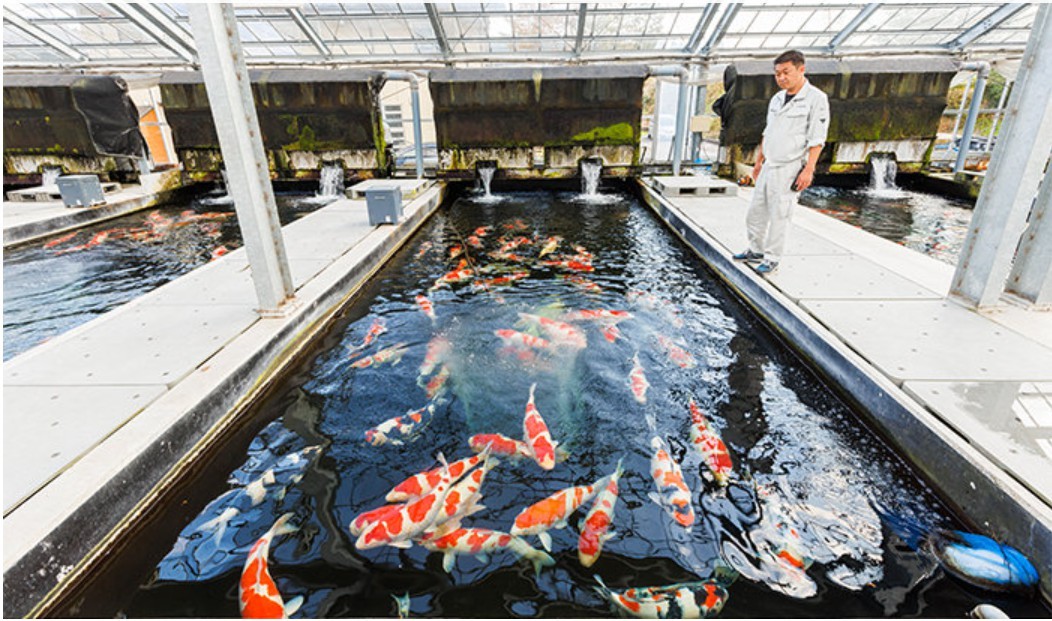
Commercial koi farms may operate multiple pumps continuously. Even modest reductions in electricity consumption per pump can accumulate across an entire facility.
Recommended considerations include:
- Calculating the flow required by each pond and its filtration system.
- Evaluating multiple pumps where redundancy or staged operation is appropriate.
- Monitoring actual power consumption and water flow.
- Maintaining sufficient circulation and aeration for the fish population.
- Establishing maintenance procedures and keeping essential spare parts available.
Fish welfare comes first. Energy optimization must not compromise filtration, oxygenation, or water quality. If reduced circulation affects pond conditions, pump settings must be adjusted promptly.
Scenario 3: Pond Contractors Designing Koi Ponds and Water Features
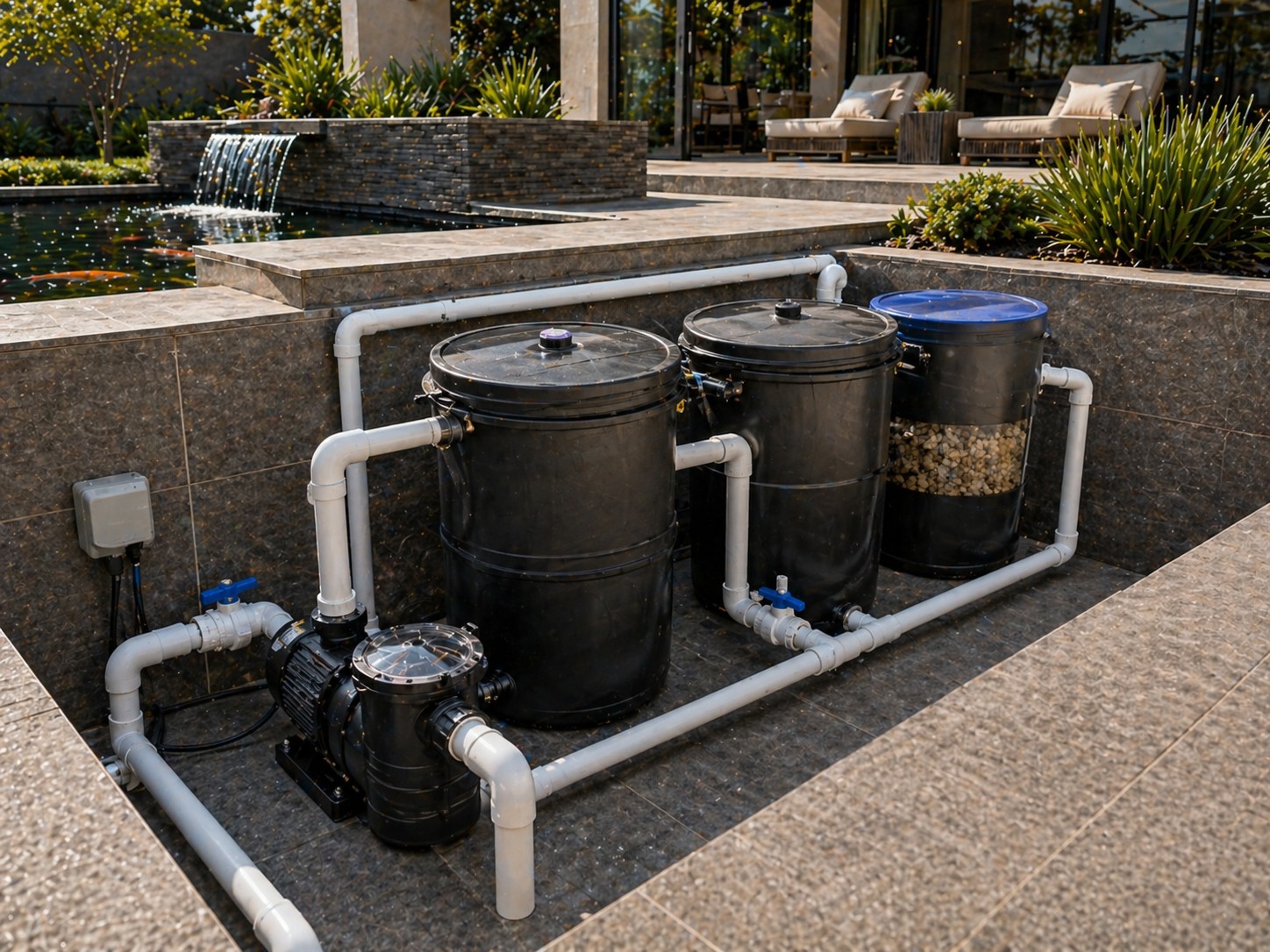
Pond contractors need to select pumps based on the complete hydraulic system, not just the pond's volume. A pump with a high advertised maximum flow may deliver substantially less water after accounting for elevation, pipe length, elbows, filters, and other restrictions.
- Estimate the required circulation and filtration flow.
- Calculate total dynamic head.
- Compare pump performance curves at the intended operating point.
- Check electrical compatibility and installation requirements.
- Confirm the pump can maintain the required minimum flow at reduced speed.
For projects combining filtration, waterfalls, and decorative water features, separate pump circuits may provide better control than forcing one pump to satisfy every operating requirement.
Scenario 4: Pond Equipment Distributors and OEM Buyers
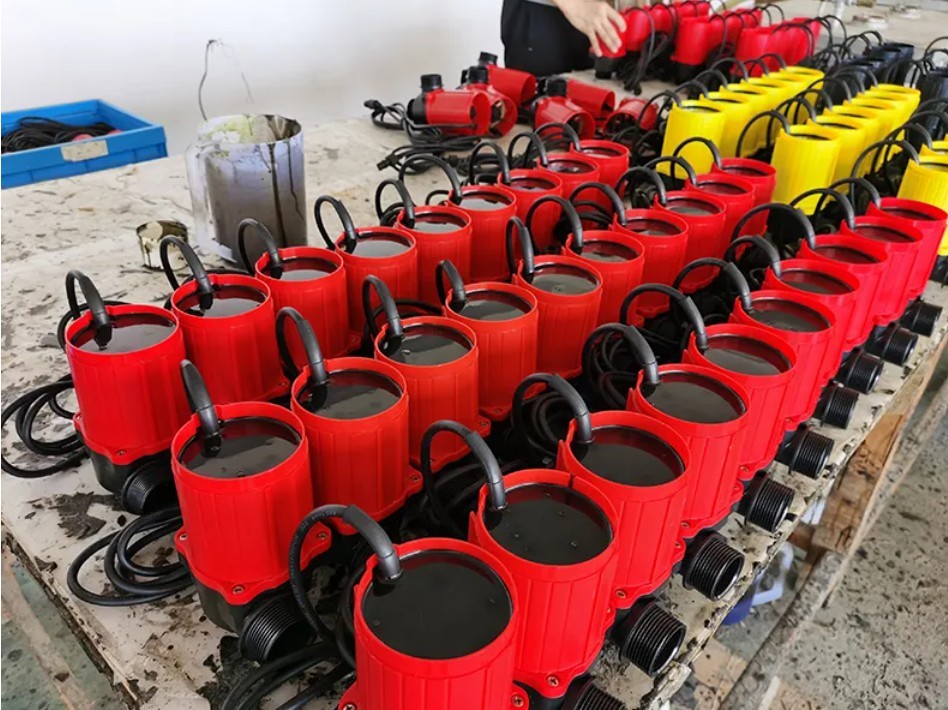
For distributors and private-label brands, energy-efficient pond pumps offer an opportunity to serve residential customers, pond installers, and commercial aquaculture businesses.
When evaluating a pond pump manufacturer, consider:
- Motor and controller technology.
- Maximum flow and head performance curves.
- Power consumption at multiple speed settings.
- Continuous-operation reliability and protection functions.
- Applicable certifications for the destination market.
- OEM/ODM capabilities, packaging customization, and spare-parts support.
- Warranty terms, minimum order quantities, and production lead times.
A manufacturer's ability to provide consistent test data is especially important when developing a new private-label product line.
3. How to Select the Right Energy-Efficient Koi Pond Pump
Step 1: Calculate the Required Flow Rate
Start by estimating the pond volume and the circulation rate required by the fish population and filtration system. A simplified preliminary calculation is:
Q = V ÷ T
Q = nominal flow rate; V = pond volume; T = desired nominal circulation time.
For example, a 10,000-liter pond with a preliminary target of circulating its volume every two hours would require a nominal flow of 5,000 liters per hour.
10,000 L ÷ 2 hours = 5,000 L/h
This is only an initial estimate. The final pump selection must account for actual delivered flow, filtration requirements, fish stocking density, water temperature, and oxygenation needs.
Step 2: Calculate Total Dynamic Head
The actual pump operating point depends on both flow and head. Total dynamic head includes the relevant elevation difference and hydraulic losses in pipes, fittings, filters, and other components.
Do not select a pump solely because its maximum advertised flow rate matches the calculated requirement. Maximum flow is generally measured under different conditions from the installed system.
Step 3: Compare Power Consumption at the Required Operating Point
Request a pump performance curve and power-consumption data from the manufacturer. For variable-speed models, compare several operating points rather than relying only on the maximum rating.
| Selection Factor | What to Check |
|---|---|
| Flow rate | Delivered flow at the intended system head. |
| Power consumption | Actual input watts at each relevant speed setting. |
| Motor technology | Motor efficiency and speed-control capability. |
| Controller | Available speed settings and control options. |
| Noise | Measured noise under defined test conditions. |
| Reliability | Protection functions, materials, and endurance testing. |
| Maintenance | Impeller access and replacement-part availability. |
The U.S. Department of Energy identifies pump selection, adjustable-speed applications, system optimization, and proper maintenance as important opportunities for improving pump-system energy performance.
Reference: U.S. Department of Energy — Pump Systems
Step 4: Check Compatibility With Filtration Equipment
A pump should operate within the acceptable flow range of the mechanical filter, biological filter, UV clarifier, and other connected equipment.
Excessive flow may reduce treatment effectiveness in some filtration arrangements or exceed equipment limits. Insufficient flow can also impair filtration and water quality. Check the requirements of the complete system before setting the pump to a lower speed.
4. Variable-Speed vs. Single-Speed Pond Pumps
Both pump types can be suitable for koi ponds. The best choice depends on the required operating conditions, initial purchase price, energy use, and long-term maintenance requirements.
| Feature | Single-Speed Pond Pump | Variable-Speed Pond Pump |
|---|---|---|
| Operating speed | Generally fixed. | Adjustable within the supported range. |
| Flow adjustment | Often requires system-level adjustments. | Can be adjusted through compatible controls. |
| Energy optimization | Limited when demand changes. | Greater potential to match power use to demand. |
| Initial purchase cost | May be lower. | May be higher. |
| Operating noise | Depends on design and installation. | May be reduced at lower operating speeds. |
| Application flexibility | Suitable for stable operating requirements. | Useful when flow requirements vary. |
| Purchasing approach | Compare lifetime cost and required performance. | Compare lifetime cost, control range, and verified efficiency. |
Variable-speed pumps are not automatically more economical in every installation. The business case depends on the purchase price, operating hours, achievable power reduction, maintenance costs, and actual hydraulic requirements.
5. Recommended Pump Selection Framework for Koi Pond Projects
| Application | Primary Requirement | Recommended Approach |
|---|---|---|
| Small residential koi pond | Stable circulation and low running costs. | Select a correctly sized pump with suitable adjustable flow. |
| Large garden koi pond | Reliable filtration and flexible operation. | Compare variable-speed models using performance curves. |
| Commercial koi farm | Continuous operation and system reliability. | Assess power consumption, redundancy, and maintenance. |
| Pond with waterfall | Combined circulation and elevation requirements. | Calculate total dynamic head and check waterfall flow needs. |
| Wholesale or OEM product line | Competitive performance and repeatable quality. | Request technical data, test reports, certifications, and customization terms. |
A Practical Energy-Efficiency Checklist
- The required flow rate has been calculated.
- Total dynamic head has been estimated.
- Pump performance curves are available.
- Power consumption is documented at relevant operating points.
- Filtration and oxygenation requirements will remain satisfied.
- The pump is suitable for the installation environment.
- Protection functions and maintenance requirements have been reviewed.
- Warranty, spare parts, and after-sales support are available.
6. Video: How a Variable-Speed Pond Pump Supports Efficient Water Circulation
Video description: A video illustrating pond pump operation in a water circulation or filtration setting. Use this video to help readers understand the role of pond pumps in maintaining circulation. Actual energy savings depend on the pump model, hydraulic conditions, operating schedule, and required flow.
7. Frequently Asked Questions About Energy-Efficient Koi Pond Pumps
Q1. How can I reduce the electricity cost of my koi pond pump?
Choose a pump sized for the actual flow and head requirements, optimize its operating speed where appropriate, clean blocked intakes and filters, and reduce unnecessary hydraulic resistance. Measure actual power consumption before and after making changes to verify the savings.
Q2. Is a variable-speed pond pump better than a single-speed pump?
A variable-speed pump can be more economical when the system can operate efficiently at reduced flow for part of the day or under changing conditions. If the pump must operate continuously at full capacity, the savings may be smaller. Compare purchase cost, measured power consumption, and required performance before deciding.
Q3. What size pump do I need for a 10,000-liter koi pond?
The answer depends on stocking density, filtration design, desired circulation, elevation, and plumbing losses. A preliminary calculation might use 5,000 L/h for a two-hour nominal turnover target, but the final pump must deliver the required flow at the actual system head. The filtration manufacturer's flow limits should also be considered.
Q4. Can I run a koi pond pump at a lower speed all day?
Yes, provided the pump and controller are designed for that operating mode and the resulting flow remains sufficient for filtration and fish welfare. Monitor water quality, filter performance, and oxygen levels when changing settings.
Q5. How much electricity can a variable-speed pond pump save?
There is no universal percentage for koi ponds. Savings depend on the difference in actual power consumption, daily operating hours, and the system's hydraulic requirements. Calculate the savings using measured watts and annual operating hours rather than applying a generic savings claim.
Q6. How do I calculate the annual running cost of a pond pump?
Multiply the pump's average electrical input in kilowatts by the operating hours per day, 365 days, and the electricity tariff per kilowatt-hour.
Annual Cost = kW × Hours/Day × 365 × Tariff
For example, a pump drawing 0.15 kW and operating 24 hours daily at $0.20/kWh would cost approximately $262.80 per year.
Q7. What should distributors look for when sourcing wholesale koi pond pumps?
Distributors should compare verified performance curves, power consumption, motor and controller quality, applicable market certifications, warranty coverage, spare-parts availability, minimum order quantities, and delivery lead times. OEM buyers should also confirm private-label packaging and customization requirements.
Q8. Can a pond pump manufacturer provide OEM or private-label solutions?
Many manufacturers offer OEM/ODM services, but capabilities vary. Buyers should confirm logo and packaging options, model customization, minimum order quantities, sample availability, production schedules, quality-control procedures, and destination-market compliance before placing an order.
Q9. Are energy-efficient pond pumps suitable for waterfalls and water features?
They can be suitable, provided the selected model meets the required flow and head at the intended operating point. Waterfalls may need more flow or greater head than a filtration circuit, so the system design should account for both requirements.
Q10. How can I verify whether a pump is genuinely energy-efficient?
Request documented electrical input measurements, pump curves, test conditions, and relevant motor or controller efficiency data. Compare competing products at the same flow and head. For commercial purchasing, independent test reports and clearly documented test procedures can strengthen supplier evaluation.
8. Conclusion: Choose a Pump That Balances Performance and Operating Cost
An energy-efficient koi pond pump solution starts with correct hydraulic design, accurate pump sizing, and an understanding of how much water the filtration system actually needs.
Variable-speed technology can help reduce unnecessary energy consumption when operating requirements allow the pump to run at a lower speed without compromising water quality.
For Pond Owners
Improve control over operating costs while maintaining the circulation and filtration needed for healthy koi.
For Pond Contractors
Specify pumps using actual flow, total dynamic head, filtration requirements, and documented performance curves.
For Distributors and OEM Buyers
Evaluate product efficiency, quality consistency, technical support, customization, and long-term supply capability.
The most reliable purchasing decision is based on verified flow, total dynamic head, actual power consumption, and long-term reliability rather than maximum flow rate alone.
Looking for an Energy-Efficient Pond Pump Manufacturer?
Jinwa Aquatics specializes in variable-speed aquarium and pond pumps for wholesale, OEM, and ODM requirements. Share your flow requirements, operating head, target market, and estimated order quantity to discuss suitable pump solutions.
Explore Jinwa Aquatics Request a QuoteFor accurate pump recommendations, please provide the required flow rate, total dynamic head, application, destination market, and estimated order quantity.
Authoritative References and Further Reading
-
U.S. Environmental Protection Agency — ENERGY STAR Pool Pumps.
Background on variable-speed operation and energy efficiency in applicable swimming pool pump systems. The examples should not be interpreted as guaranteed koi pond pump savings.
Read the ENERGY STAR guidance -
U.S. Department of Energy — Pump Systems.
Resources covering pump selection, adjustable-speed applications, system optimization, and maintenance.
Read the pump systems guidance -
U.S. Department of Energy — Dedicated-Purpose Pool Pumps.
Information on applicable pool pump energy-conservation standards and test procedures. These requirements are specific to their covered product categories and should not automatically be applied to all pond pumps.
Read the relevant DOE information
Technical note: The numerical examples in this article are illustrative calculations, not independent test results or guarantees of product performance. Verify current source information, test conditions, pump specifications, and applicable regulations before making purchasing or engineering decisions.