Controller Technology
- Share

Controller Technology | Aquarium, Pond and Water-Feature Pumps
Variable-Speed Pump Controller Technology
Review the controller, motor, power source, control objective, interface, environment and validation requirements before moving from sample evaluation to repeatable OEM production.
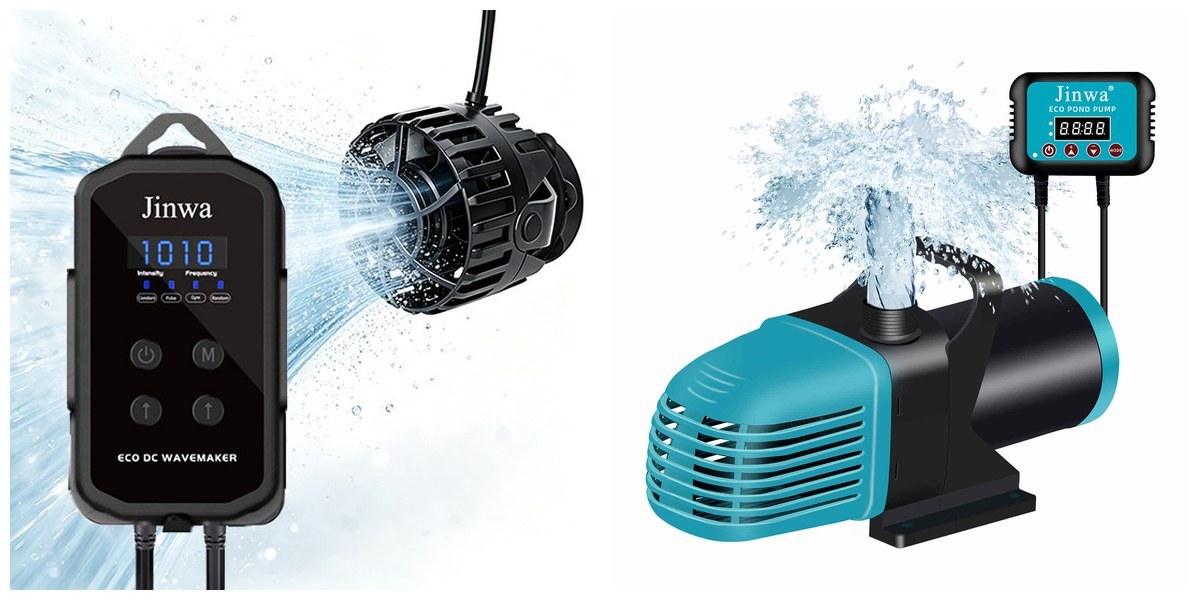
Controller Series
Controller Options for Variable-Speed Pump Systems
A pump controller must be evaluated as part of a complete system. The pump motor, hydraulic load, power source, user command, feedback method, enclosure and protection strategy must agree before a controller configuration is selected.
Jinwa's public product pages show variable-speed and variable-flow contexts across aquarium, pond and water-feature pumps. The smaller and larger controller images are representative form-factor visuals for an early project discussion; they do not establish compatibility with every pump or define a power classification.
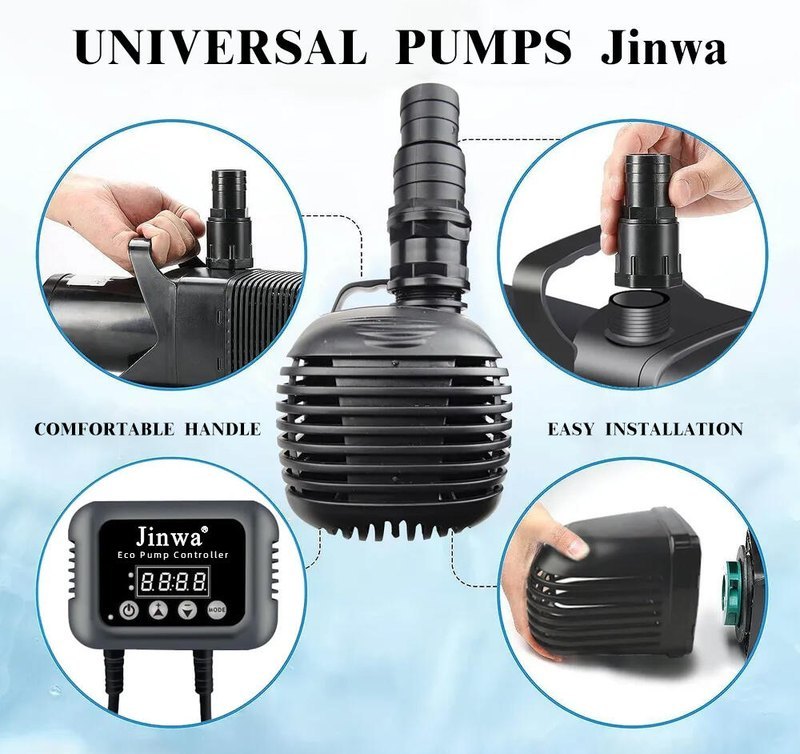
Controller Advantages
Control Benefits to Validate for Your Pump Application
- Adjustable operation: speed commands can be reviewed for circulation, fountain-height adjustment, scheduled demonstrations, quiet periods and commissioning.
- Defined operating behavior: selected published DC aquarium pump contexts include sine-wave control, multiple flow modes and level adjustment; confirm the applicable model before specification.
- Matched system boundary: the controller, pump motor and power source must be selected as a compatible set rather than treated as universal parts.
- Clear control objective: speed, flow, pressure and level are different targets. Closed-loop water-system control requires the appropriate sensor and system data.
- Verified fault handling: protection must be defined by detection point, threshold, action, retry or lockout behavior and test evidence.
- External or integrated architecture: wiring, connectors, heat, sealing, EMC and serviceability change when electronics move from an external box into the pump.
Advanced Production Line
Production Planning and Manufacturing Controls
A variable-speed pump controller program requires controlled hardware, software, assembly, test and release records. The exact process and equipment must be confirmed for the selected model and manufacturing site.
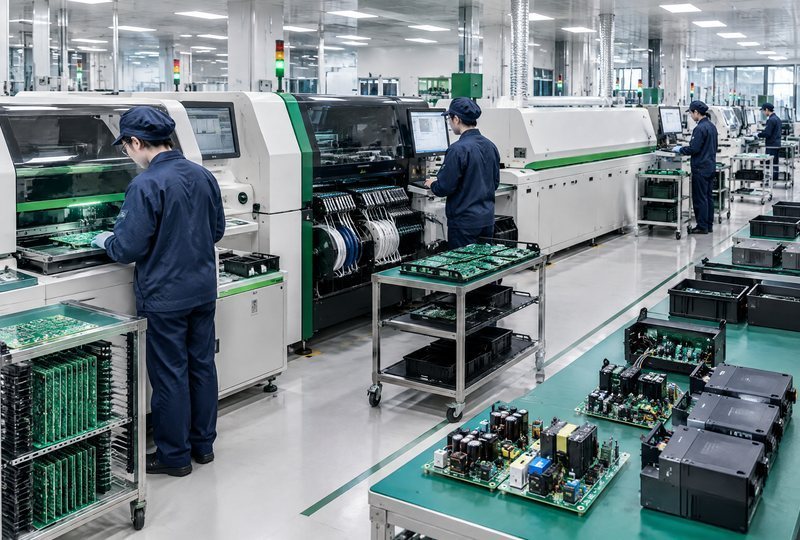
Controlled Assembly
Work instructions, design revisions, material identity, first-article approval and soldering controls should connect the approved sample to the intended production configuration.
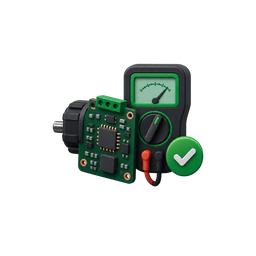
Measured Verification
Each published test statement should connect to a fixture, acceptance criterion, raw measurement and applicable hardware, firmware and parameter revision.
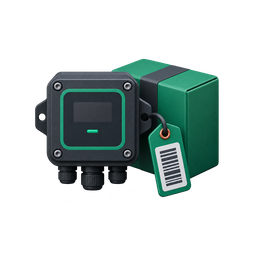
Traceable Release
Where implemented, serial records can link the product revision, configuration, material lots, process results, final test and shipment record.
12-Step Pump Controller Production Framework
This framework shows the control points a B2B buyer should review. Publish only the steps and evidence that apply to the approved Jinwa program.
Application Review
Collect pump, motor, input power, control objective, environment, market and validation requirements.
Architecture Definition
Define AC or DC boundaries, external or integrated electronics, motor topology, interface and protection responsibilities.
Design and BOM Control
Freeze schematics, PCB, enclosure, firmware baseline, approved materials and critical characteristics.
Incoming Quality Control
Confirm component identity, lot and date code, PCB revision, storage condition and structural materials.
PCB Assembly Preparation
Match work order, BOM, stencil, placement program, material lot and first-article approval.
Soldering and Inspection
Control the applicable printing, placement, reflow and through-hole processes, with risk-based inspection evidence.
Cleaning and PCBA Release
Define the cleaning route, contamination checks, connector condition and PCBA lot or serial record.
Firmware and Calibration
Program the controlled build, load model parameters, record calibration and verify the written data.
PCBA Functional Test
Check control power, sensing, PWM or drive output, fault inputs, user interface and communication where applicable.
Protection and Enclosure
Apply the approved coating or potting, thermal interface, enclosure, connector and sealing controls.
Loaded-Pump Validation
Verify startup, speed range, load changes, temperature, fault strategy, safety and endurance against the project plan.
Final Release and Traceability
Confirm identity, firmware and parameters, test completion, serial record, packaging and shipment status.
Testing and R&D
Validation from PCBA to the Pump System
A low-voltage external controller, an integrated motor drive and an AC-input variable-frequency drive do not share identical safety, thermal, EMC or load-test requirements. Build the validation matrix around the actual product boundary.

PCBA Inspection and Assembly Verification
Verify part identity, polarity, soldering, connector placement and hidden-joint risk with the inspection method appropriate to the assembly.
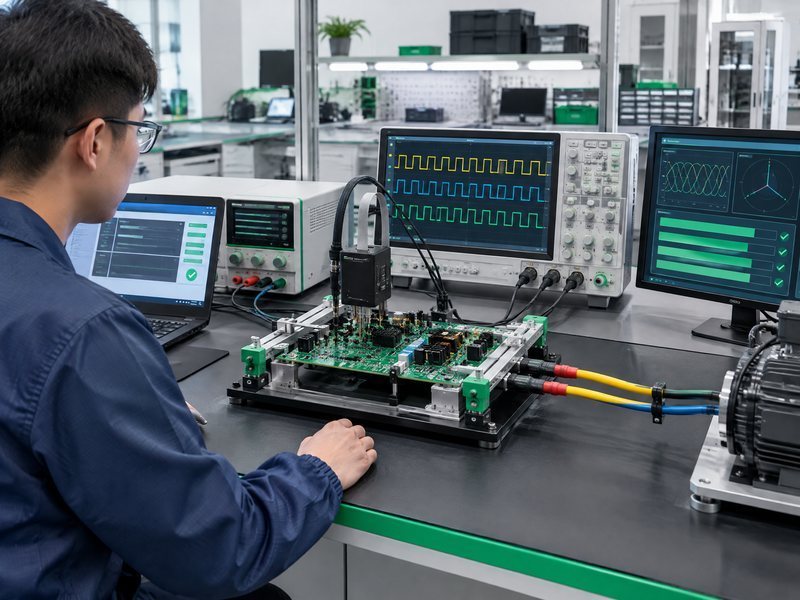
Firmware, Calibration and Functional Test
Control the firmware and parameter version, calibration values, sensing, drive outputs, communication and fault inputs before loaded-pump testing.
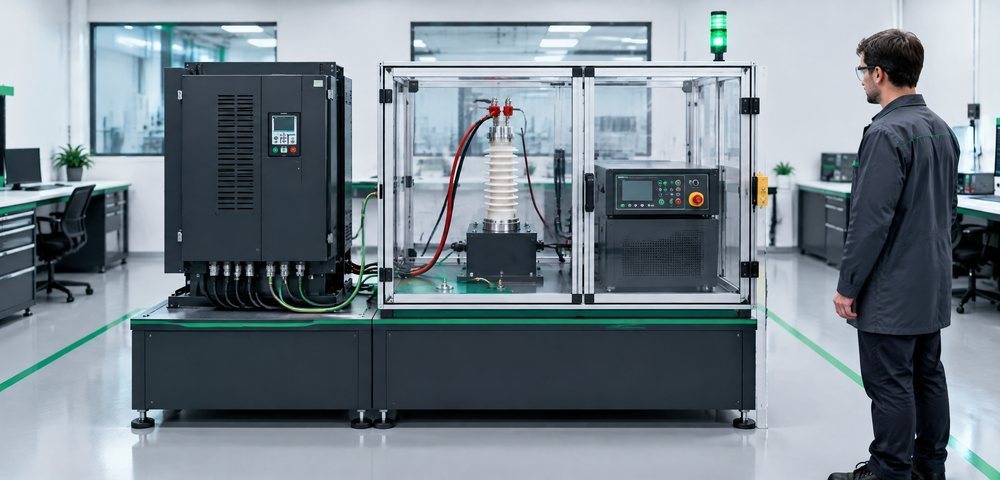
Electrical Safety Verification
Define insulation, protective-earth, dielectric-strength, leakage, spacing and discharge tests for the actual product and target market.
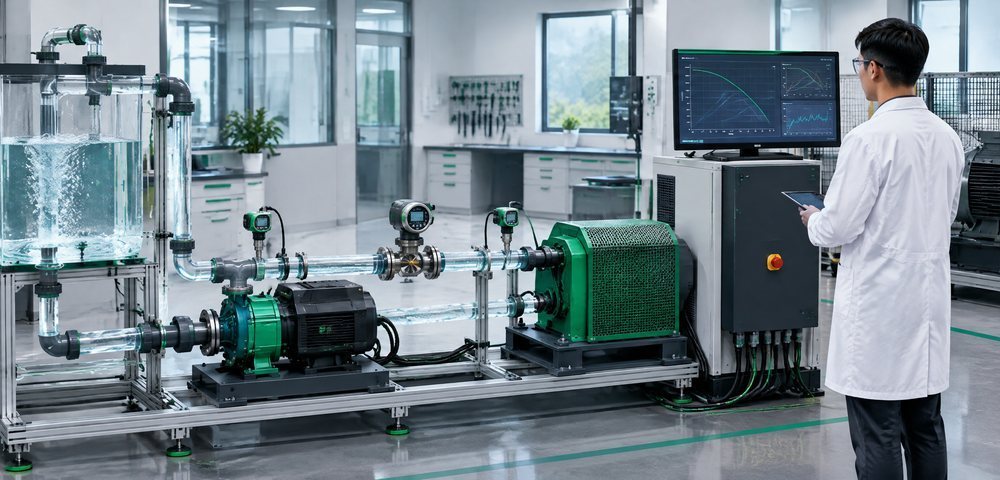
Loaded Pump and System Validation
Test the target motor and hydraulic load through startup, low-speed operation, load changes, power interruption and defined fault scenarios.

Thermal, Endurance and Release Testing
Set thermal limits, operating duration, sampling and final acceptance by product risk and customer requirement rather than a universal time.
Engineering Development
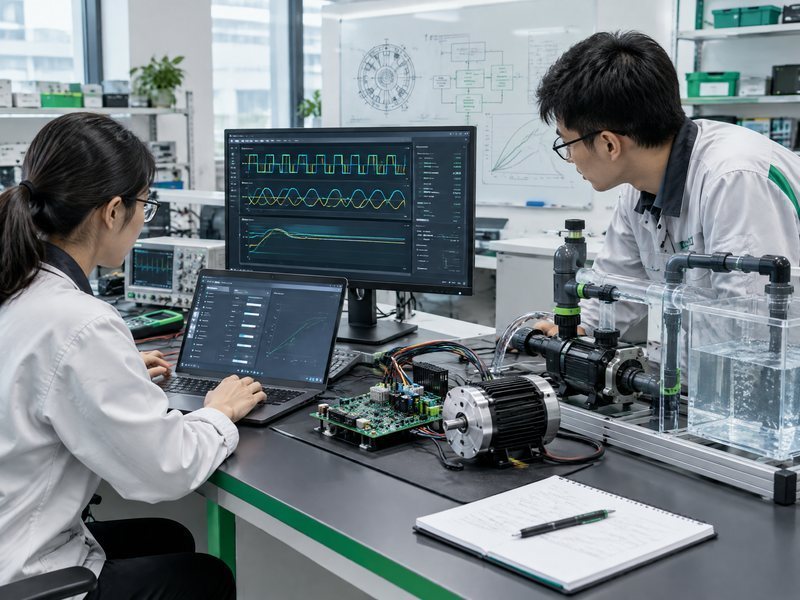
Control and Firmware Refinement
Review motor parameters, startup behavior, operating range, feedback, ramps and fault states at project level. Named algorithms should be published only when verified.
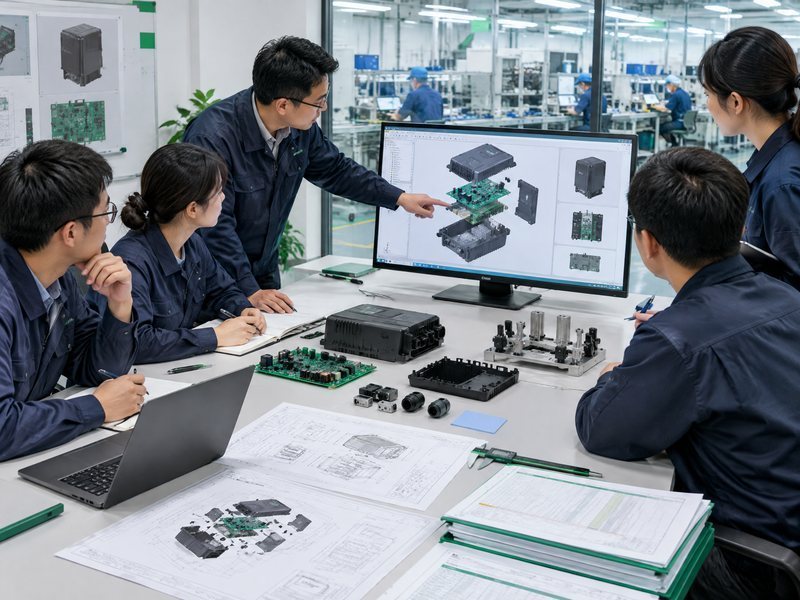
Design-for-Manufacture Review
Review the PCB, enclosure, connectors, thermal path, assembly sequence, test access, service strategy and controlled changes before volume release.
Services
Engineering and OEM Project Support
Move from application data to a reviewable controller program with clearly defined responsibilities and evidence.
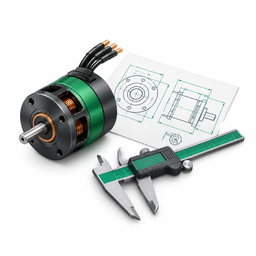
Pre-Sales Engineering Review
- Motor, pump, power and control-interface intake
- Compatibility questions and missing-data review
- Initial form-factor and validation discussion
NPI and Production Coordination
- Controlled requirements, revisions and sample planning
- Assembly, calibration, test and release coordination
- Change and customer-document review by project scope
Documentation and After-Sales Support
- Configuration, interface and fault documentation where available
- Sample results and corrective-action coordination
- Handover support when included in the agreed program
Need a Controller Matched to Your Pump?
Send the pump and motor data, input power, target control behavior, installation environment, target market, sample requirement and expected volume. Final ratings, functions, interfaces, compliance scope and commercial terms remain subject to technical review.